






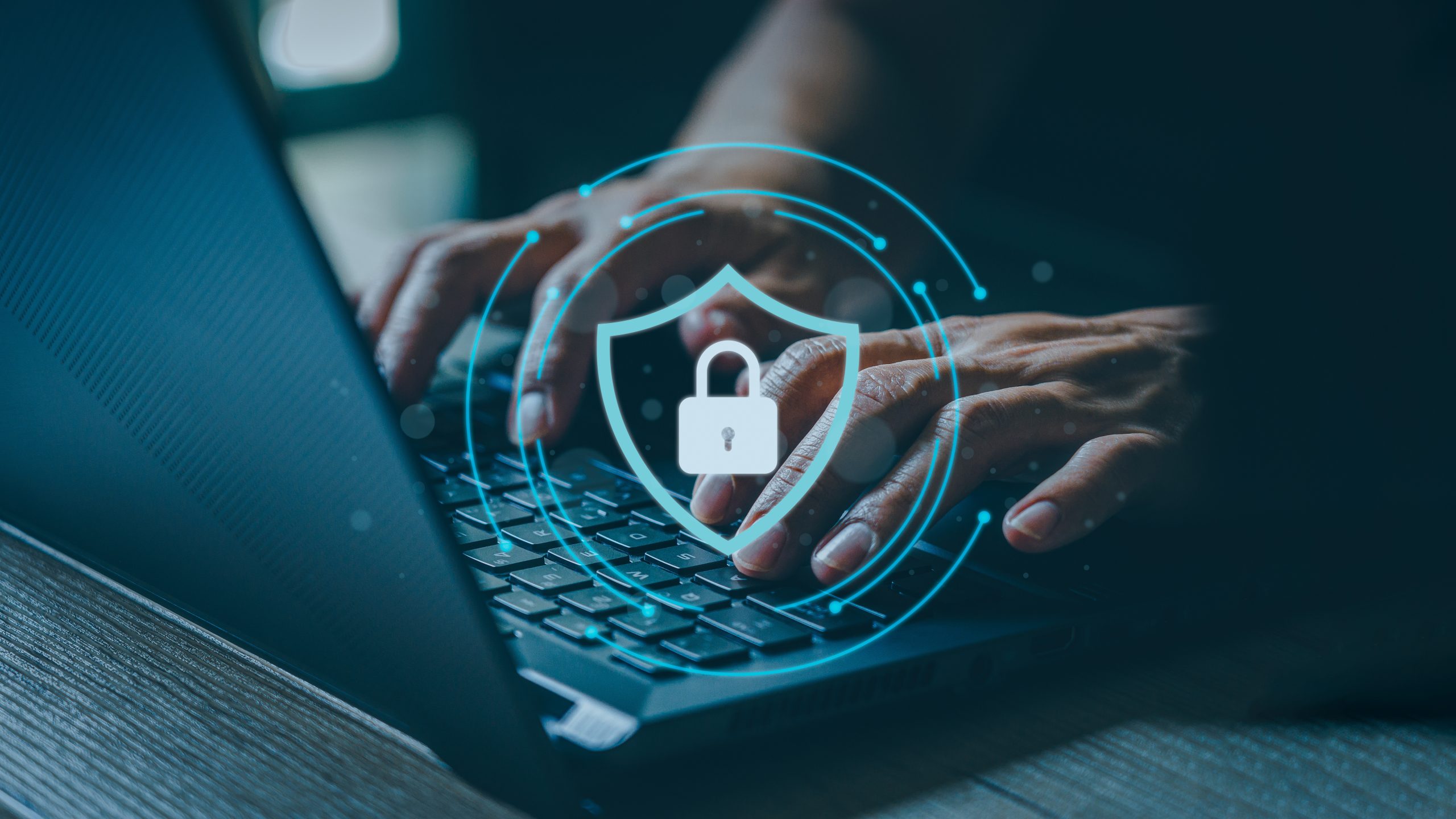
Cybersecurity is no longer optional for small businesses. With increasing reliance on digital tools and remote work in 2026, small businesses face a growing threat from cyberattacks such as ransomware, phishing, and malware. Despite often having limited IT resources, small enterprises are prime targets because hackers assume weaker security measures. Implementing effective cybersecurity strategies protects sensitive customer and company data, prevents financial losses, and ensures business continuity. This guide provides actionable steps for small business owners to strengthen their cybersecurity posture, including employee training, secure network practices, compliance adherence, and selection of the right tools. By following these expert tips, small businesses can defend against modern cyber threats and operate safely in the digital landscape.
Understanding Cybersecurity Threats for Small Businesses
Small businesses are increasingly targeted by cybercriminals due to their perceived weaker defenses. Common threats include phishing attacks, where malicious actors trick employees into revealing passwords or sensitive data; ransomware, which encrypts files and demands payment; malware, which can steal information or disrupt operations; and social engineering, manipulating employees to gain unauthorized access. Understanding these threats is the first step in protecting a business.
Small businesses often underestimate risk, focusing more on growth than security, making them vulnerable. Attackers exploit this by targeting email systems, poorly secured networks, or unpatched software. A cybersecurity strategy begins with threat awareness, risk assessment, and identifying critical business assets that must be protected. By understanding the types of attacks and the methods cybercriminals use, business owners can implement targeted defenses, educate employees, and adopt proactive security measures that significantly reduce the likelihood of a successful attack.
Importance of Strong Password Policies
Passwords are the first line of defense against unauthorized access. Weak or reused passwords make it easy for hackers to compromise accounts. Implementing strong password policies ensures each account uses complex, unique passwords combining uppercase, lowercase, numbers, and special characters. Multi-factor authentication (MFA) adds an extra layer of security by requiring a second verification step, such as a code sent to a mobile device or an authentication app. Using a password manager helps employees generate, store, and manage complex passwords securely, reducing the likelihood of password-related breaches.
Regularly updating passwords and avoiding predictable patterns prevents attackers from exploiting stolen or leaked credentials. By enforcing strong password policies, small businesses can reduce the risk of unauthorized access to email, financial systems, cloud accounts, and other critical platforms, safeguarding sensitive information and maintaining trust with clients and partners.
Employee Cybersecurity Training
Employees are often the weakest link in cybersecurity. Cybercriminals exploit human error through phishing emails, social engineering, or malicious links. Conducting regular cybersecurity training educates staff on identifying suspicious emails, recognizing fake websites, and safely handling sensitive data. Training should cover safe password practices, proper use of company devices, and reporting protocols for security incidents. Creating a cybersecurity-aware culture ensures employees understand the importance of following security policies and procedures.
Interactive simulations, such as phishing tests, help employees practice identifying threats in a controlled environment. Engaging staff in cybersecurity not only reduces the likelihood of breaches but also empowers them to act as the first line of defense. A well-trained team can prevent common attacks, mitigate risks, and ensure the business maintains secure operations even with limited IT resources.
Secure Your Network and Devices
Securing networks and devices is essential for protecting business data. Implementing a firewall filters incoming and outgoing traffic, preventing unauthorized access. Antivirus and endpoint protection software safeguard against malware, ransomware, and spyware. All devices, including laptops, desktops, and mobile devices, should be encrypted and password-protected. Securing Wi-Fi networks with strong encryption (WPA3) and complex passwords prevents unauthorized access from nearby devices.
For remote employees, providing a VPN (Virtual Private Network) ensures secure connections to company networks. Regularly updating software and applying security patches fixes vulnerabilities that hackers could exploit. Network segmentation—dividing sensitive data from general traffic—adds another layer of protection. By maintaining secure devices and network infrastructure, small businesses minimize the risk of breaches, reduce exposure to cyber threats, and protect critical customer and company information from unauthorized access.
Implement Data Backup and Recovery Plans
Data loss due to cyberattacks or hardware failures can cripple small businesses. Implementing regular data backups ensures critical files, databases, and configurations are safe. Backups should be stored in multiple locations, including cloud storage for accessibility and offline storage for protection against ransomware. A disaster recovery plan outlines procedures for restoring operations in case of data loss, cyberattacks, or system failure. Testing recovery procedures regularly ensures backups are functional and can be quickly restored.
Automated backup solutions reduce human error and ensure consistent protection. By having a robust backup and recovery strategy, small businesses can minimize downtime, protect sensitive information, and maintain trust with clients. Even if a cyberattack occurs, a well-prepared business can quickly restore operations, mitigating financial and reputational damage.
Use Cloud Security Solutions
Cloud-based security tools offer scalable protection for small businesses. Services such as cloud firewalls, endpoint protection, and secure email gateways provide centralized management and automatic updates. Cloud solutions often include threat detection and analytics, enabling real-time monitoring for suspicious activity. When using cloud services, ensure providers comply with relevant security standards and regulations, and configure accounts with strong access controls and MFA. Cloud backups protect against local hardware failures and ransomware, providing offsite redundancy.
Many cloud platforms also offer encryption at rest and in transit, securing sensitive business and customer data. By adopting cloud security solutions, small businesses gain enterprise-level protection without large upfront costs, benefiting from automated updates, advanced threat monitoring, and scalable security infrastructure tailored to business needs.
Monitor and Respond to Cyber Threats
Continuous monitoring allows small businesses to detect and respond to threats before significant damage occurs. Intrusion Detection Systems (IDS) and security information and event management (SIEM) tools track network activity and identify anomalies. Real-time alerts enable rapid response to unauthorized access attempts, malware infections, or suspicious behavior. Establishing an incident response plan ensures employees know how to react, whom to contact, and how to isolate affected systems.
Regularly reviewing logs, analyzing threats, and updating defenses helps prevent repeated attacks. For small businesses without dedicated IT staff, outsourcing monitoring to a Managed Security Service Provider (MSSP) ensures professional oversight. Monitoring and rapid response not only minimizes downtime but also protects sensitive data, maintains customer trust, and reduces financial losses from potential cyberattacks.
Cybersecurity Compliance and Regulations
Small businesses must comply with regulations like GDPR, CCPA, HIPAA, or industry-specific requirements. Compliance ensures legal protection and builds customer trust. It involves proper data handling, storage, and reporting protocols. Businesses must maintain records of data processing, implement strong security measures, and ensure third-party vendors meet compliance standards. Regular audits help identify gaps in policies or technical safeguards.
Non-compliance can result in fines, legal penalties, and reputational damage. Even small businesses should understand their regulatory obligations and integrate compliance into daily operations. By adhering to cybersecurity regulations, small businesses protect sensitive information, maintain customer confidence, and reduce the risk of financial or legal repercussions due to data breaches or mishandling of personal data.
Choosing Cybersecurity Tools for Small Businesses
Selecting the right cybersecurity tools ensures comprehensive protection without overburdening resources. Small businesses should invest in antivirus and anti-malware software, firewalls, VPNs, password managers, and endpoint protection solutions. Evaluate tools based on ease of use, cost, scalability, and support, ensuring they meet business requirements. Cloud-based solutions often reduce the need for dedicated IT staff and provide automatic updates.
Open-source tools can be effective but may require technical expertise. Balancing cost and effectiveness ensures that security measures are both sustainable and robust. Implementing a combination of tools for threat detection, data protection, and access control creates multiple layers of defense. Choosing the right cybersecurity tools allows small businesses to proactively defend against cyber threats, protect sensitive data, and ensure uninterrupted business operations.
Regular Cybersecurity Audits and Updates
Cyber threats evolve constantly, making regular audits and updates essential. Performing cybersecurity audits identifies vulnerabilities in systems, networks, and employee practices. Assessments should include checking firewall settings, software patches, password policies, and endpoint security. Updating software, firmware, and security protocols addresses known vulnerabilities before attackers can exploit them. Scheduling periodic reviews ensures that the business remains compliant with regulations and adapts to emerging threats.
Audits can also reveal gaps in employee training or security awareness. Implementing continuous monitoring and automated updates helps maintain a proactive security posture. By conducting regular cybersecurity audits and keeping all systems up-to-date, small businesses minimize risks, improve resilience against attacks, and maintain safe, reliable operations, even with limited IT resources.
Zip Security – One-Platform Security for SMBs: Zip Security offers device management, endpoint security, identity protection, and compliance in an all-in-one platform.
Conclusion
Small businesses face growing cybersecurity threats in 2026, making proactive protection essential. Implementing strong password policies, employee training, secure networks, cloud solutions, and continuous monitoring safeguards sensitive data. Regular audits, compliance with regulations, and selecting the right security tools further strengthen defenses. Combining these strategies ensures businesses can prevent cyberattacks, minimize downtime, and maintain customer trust. By adopting a comprehensive cybersecurity approach, small business owners can protect their digital assets, reduce financial and reputational risks, and confidently operate in an increasingly digital and interconnected business environment.
FAQs
Why is cybersecurity important for small businesses?
Small businesses are prime targets for cyberattacks because they often have limited security measures. Cybersecurity protects sensitive data, prevents financial losses, and ensures business continuity.
What are the most common cyber threats for small businesses?
Common threats include phishing attacks, ransomware, malware, and social engineering, all of which can compromise data, disrupt operations, or result in financial loss.
How much should a small business spend on cybersecurity?
Spending depends on the size and complexity of the business. Even small budgets can cover essential tools like antivirus, firewalls, password managers, and employee training to reduce risks effectively.


